

Nature is amazing! She makes NEW out of OLD and recycles everything, constantly.
Look at how (natural) soil works: leaves and other debris falls on it, the rain moistens it, and insects, worms, and microbes go to work to break it down. In a relatively short amount of time (depending on the temperature and moisture) the debris has been turned into compost rich in minerals and full of microbes, which the worms dig into the existing soil. This soil absorbs most – if not all – water, keeping erosion to a minimum.
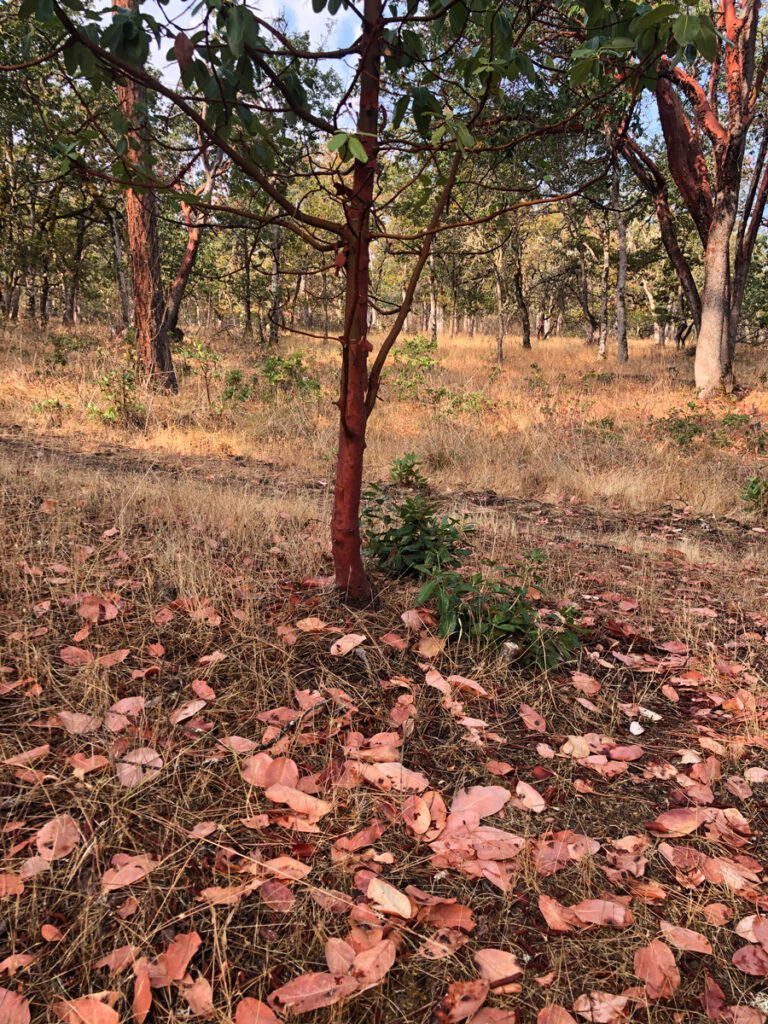
Now a variety of different plants grow out of it and get nourished by the compost they grow on. Minerals are easily available – ‘fed’ to the plants by fungi and microbes. Leaves and debris create mulch that keeps the plant roots moist, and these roots in turn stabilize the crust and hold it together. And once the plant has completed its life, it dies off, and channels for air and water stay behind where the roots have been. Now the cycle starts all over again. Beautiful!
Now compare that to modern agriculture.
First, a big machine plows the soil over a big area, compacting it with its weight before turning it upside down and disturbing its intricate balance. Next a chemical fertilizer is applied, which is made with synthetic ammonia (also a prerequisite for explosives, leftover from a process developed in WW1). The seeds that are put down in the thusly treated area are most likely all the same – a monoculture. That fact alone makes the plants more susceptible to diseases. To prevent illness and fight bugs that love monocultures, pesticides are sprayed on the growing crops, often multiple times (depending on the kind of plant). This kills not only a variety of insects besides the plant pests, but also at least some of the microbiome of the soil. And lastly, to dry the crop for easier harvesting, glyphosate (a herbicide and desiccant) is put down, killing pretty much the rest of the soil’s microbiome in the process. The plants are then harvested and the soil is tilled over again.
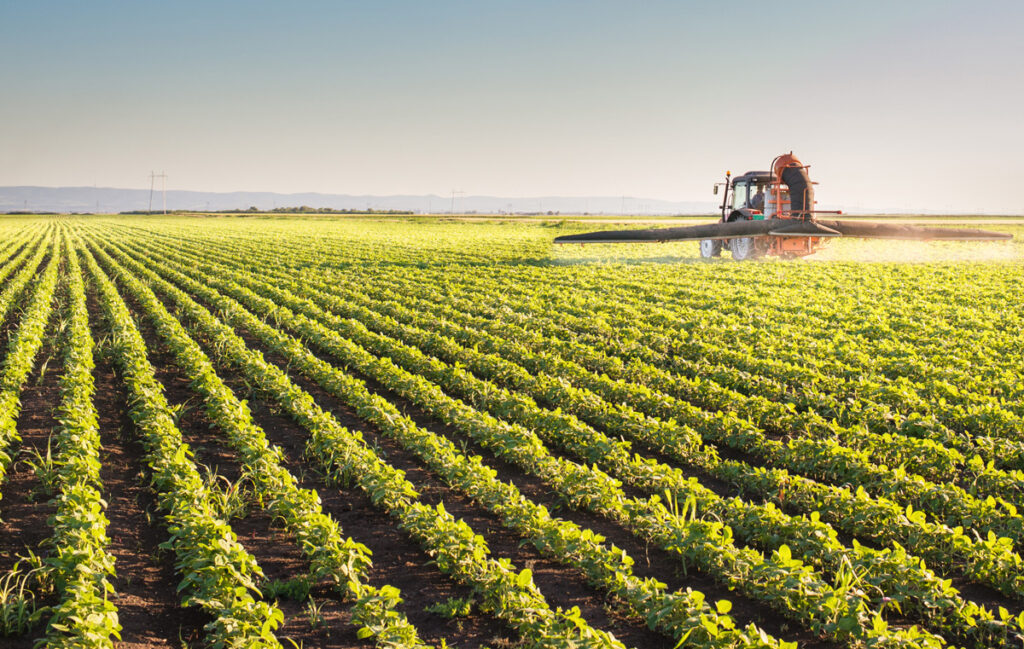
During this process, the soil has been flooded with chemicals which make certain nutrients (nitrogen, phosphorus, potassium) readily available to the plants and to some specific microbes in the soil that thrive on it, while others get killed by the excess. This creates an imbalance of overgrowth and die-off, which in turn reduces biodiversity. It also turns the soil more acidic and bypasses the natural processes that are normally carried out by a symbiosis between plant roots and microbes. All this makes plants more susceptible to disease and reduces fertility of the soil substantially. And even though the plants grow fast and large from the fertilization, the soil is turned into dead dirt over time – its minerals get depleted, and it can no longer absorb water and washes off during the next rainstorm. As you can probably glean by now, this is not a sustainable practice.
Our modern society has turned everything that worked well before upside down and sideways, and it is up to us – now that part of us has woken up to it – to right these wrongs and restore health to our planet and to ourselves.
And it’s easier done than you might think!
Answers are readily available for all the ills that plague our world today. We just have to implement them, and in the process, need to get rid of the ‘leaders’, companies and people that keep destroying our beautiful planet for a profit.
For the above problem, I have found the following answers:
- Regenerative Farming – yes, cows don’t destroy the land, they regenerate it if used as intended. Don’t fall for hairbrained ideas that ‘cow farts destroy our atmosphere’. Please!
- Shop at Local Farms – this has many benefits: fresher foods, seasonal eating, products that provide the right nutrients perfect for the location, economic resilience, better food security – AND you can meet your farmers in person and learn if they share your viewpoints!
- Low/No Till Farming – tilling destroys the soil structure and disturbs its microbiome. There are methods available that don’t disturb the soil much.
- Holistic Grazing – livestock can be used strategically on low fertile or even bare ground to restore the soil.
- Crop Rotation – this tried and true practice of rotating a variety of crops with different nutritional requirements as well as nitrogen feeders and nitrogen fixers prevents nutrient depletion, reduces plant diseases and pests, and improves soil over time.
- Cover Cropping – also called ‘green manure’, these are plants sown for the sole purpose to improve the soil and are usually plowed under or used as mulch when their cycle is complete. These can be mono or polycultures. Examples are clover (nitrogen fixer), buckwheat (improves soil structure with their roots), and daikon radish (drills deep into the soil to bring up minerals and leave channels to aerate compacted soil), but there are many many more plants that can be used as cover crops. “Grow the soil, and the plants will grow themselves.”
- Mycorrhizal fungi inoculants – these add spores into the soil to wean plants off chemical fertilizers, make them more drought resilient, and make the soil microbiome more diverse.
But what if you don’t have access to a garden or are not involved in agriculture?
Easy! Vote with your money by buying products that have been regeneratively produced. Go to farmer’s markets to meet with your local farmers and talk with them. You could also check out your community gardens – these are available in most cities.
Going back to wholesome foods means healthier, happier bodies. Fixing our food system is one of the most important things we have to change if we want to survive as a species.
Tell me what you think in the comments below.